
Archives
Categories
Shoulder Dislocation
Specialised treatment for a shoulder joint that has moved out of its normal position, with the goal of restoring stability, movement, and function.

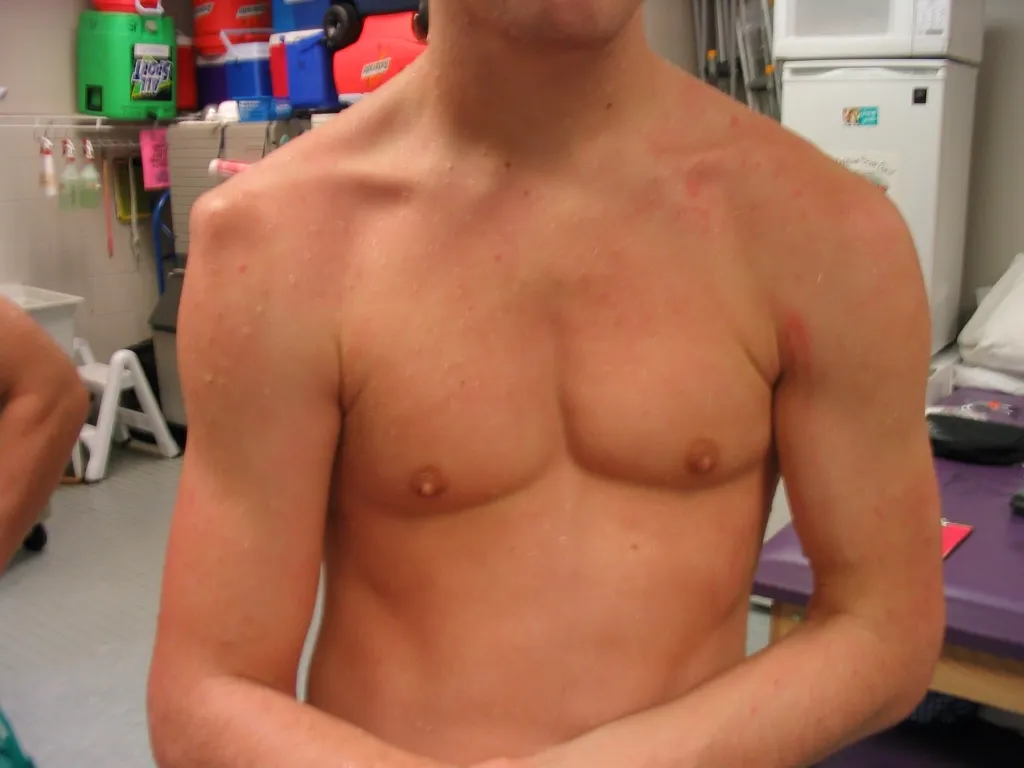
What is Shoulder Dislocation?
A shoulder dislocation occurs when the head of the upper arm bone (humerus) moves out of the shoulder socket (glenoid). Because the shoulder joint allows a wide range of movement, it is particularly susceptible to dislocation.
A shoulder dislocation may occur due to a fall, sports injury, accident, or sudden forceful movement. Some patients may experience repeated dislocations because of damage to the supporting ligaments, labrum, or other structures around the shoulder.
Prompt medical evaluation is important because a dislocated shoulder can be associated with fractures, nerve injuries, or soft-tissue damage.
Types of Shoulder Dislocation
- Anterior Shoulder Dislocation : This is the most common type, where the upper arm bone moves forward from the socket.
- Posterior Shoulder Dislocation : The upper arm bone moves backward and is less common. It may occur following significant trauma or certain types of muscle contractions.
- Recurrent Shoulder Dislocation : Some patients experience repeated dislocations or partial dislocations due to persistent instability or damage to stabilising structures.
What Causes Shoulder Dislocation?
Common causes include:
- Falls
- Sports-related injuries
- Road traffic accidents
- Direct impact to the shoulder
- Sudden twisting or forceful movement
- Contact sports
- Previous shoulder dislocation
A previous dislocation can increase the risk of future instability, particularly in younger and physically active individuals.
Symptoms of Shoulder Dislocation
Common symptoms include:
- Sudden and severe shoulder pain
- Visible change in shoulder shape
- Difficulty moving the arm
- Swelling
- Bruising
- Shoulder instability
- Muscle spasm
- Numbness or tingling in the arm or hand
- Weakness of the affected arm
A suspected shoulder dislocation should be treated as an urgent orthopaedic injury.
Restore Shoulder Stability After Dislocation
A shoulder dislocation can lead to pain, instability, and repeated episodes if not properly assessed. Consult Dr. Dhruva Angachekar, an experienced orthopaedic surgeon in Mumbai, for a detailed evaluation and personalised treatment plan to help restore shoulder stability and function.
What Should You Do After a Shoulder Dislocation?
If a shoulder dislocation is suspected:
- Keep the arm supported and avoid unnecessary movement.
- Do not attempt to put the shoulder back into place yourself.
- Seek urgent medical evaluation.
- Avoid food and drink if surgery or sedation may be required, unless instructed otherwise.
- Follow medical advice regarding immobilisation and further treatment.
Attempting to reduce the shoulder without proper assessment can cause additional injury to the bone, nerves, blood vessels, or surrounding tissues.
How is Shoulder Dislocation Diagnosed?
- Physical Examination: The doctor examines the shoulder position, movement, circulation, sensation, and nerve function.
- X-rays : X-rays are generally used to confirm the dislocation and identify associated fractures.
- MRI or Other Imaging: MRI may be recommended after reduction to evaluate soft-tissue injuries such as labral or ligament damage, particularly in patients with recurrent instability.
CT scans may be useful in selected cases to assess bone loss or complex fractures.
Treatment for Shoulder Dislocation
Treatment depends on whether the dislocation is a first-time injury, recurrent problem, or associated with fractures or soft-tissue damage.
Closed Reduction
For many acute dislocations, the shoulder can be carefully returned to its normal position using a controlled procedure called closed reduction.
Pain relief or sedation may be used when appropriate.
Immobilisation
After reduction, the shoulder may be supported in a sling for a period recommended by the treating specialist.
Surgical options may include arthroscopic stabilisation or other procedures depending on the
underlying structural problem.
Surgical Treatment
Surgery may be considered for selected patients, particularly those with:
- Recurrent shoulder dislocations
- Significant labral or ligament damage
- Significant bone loss
- Associated fractures
- Persistent instability despite appropriate rehabilitation
Physiotherapy
Rehabilitation helps restore:
- Shoulder movement
- Muscle strength
- Joint stability
- Coordination
- Functional use of the arm
Surgical options may include arthroscopic stabilisation or other procedures depending on the underlying structural problem.
Shoulder Stabilisation Surgery
For patients with recurrent instability, surgery may be performed to repair or restore the structures responsible for stabilising the shoulder.
Depending on the injury, procedures may include:Shoulder movement
- Arthroscopic labral repair
- Capsular tightening
- Bone stabilisation procedures in selected cases
- Treatment of associated cartilage or bone injuries
The appropriate procedure depends on the patient’s age, activity level, injury pattern, bone condition, and previous dislocations
Recovery After Shoulder Dislocation
Recovery varies according to the severity of the injury and treatment performed.
Initial recovery may include:
- Pain and swelling management
- Shoulder immobilisation when recommended
- Gentle movement exercises
- Gradual strengthening
- Physiotherapy
- Progressive return to normal activities
Patients undergoing surgery generally require a longer rehabilitation programme.
Rehabilitation After Shoulder Dislocation
A structured rehabilitation programme may focus on:
- Early Stage:
Reducing pain and restoring safe shoulder movement. - Strengthening Stage:
Improving the strength of the rotator cuff and shoulder stabilising muscles. - Stability Training:
Improving coordination, proprioception, and control of the shoulder. - Return to Activity :
Gradually returning to work, exercise, sports, and other activities according to recovery and medical guidance.
Benefits of Appropriate Shoulder Dislocation Treatment
Timely and appropriate treatment may help:
- Restore normal shoulder alignmen
- Reduce pain
- Support a safe return to daily activities and sports
- Improve shoulder movement
- Reduce the risk of recurrent dislocation in appropriate cases
- Improve arm function
- Restore joint stability
The outcome depends on the severity of the injury, associated damage, treatment approach,
and rehabilitation.
Who May Need Surgical Treatment?
Surgery may be considered in selected patients with:
- Recurrent shoulder dislocations
- Persistent instability
- Failure of appropriate non-surgical treatment
- Bone loss around the shoulder joint
- High-demand sporting requirements in certain circumstances
- Associated fractures
- Significant labral injury
A detailed orthopaedic assessment is necessary before deciding whether surgery is
appropriate.
Hear From Our Happy Patients
Read genuine patient experiences and feedback about Dr. Dhruva Angachekar’s compassionate care, orthopedic expertise, and commitment to patient recovery.
EXCELLENT Based on 2 reviews
 Posted on Google
 Prabhash SinghDr Dhruva Angachekar recommended for best orthopedic and sports injury surgeon in Mumbai.Posted on Google
 Antesh AnandHighly recommended orthopedic and sports injury surgeon in Mumbai
Frequently Asked Questions
Yes. Many first-time shoulder dislocations can be treated with reduction, immobilisation, and rehabilitation. Surgery may be considered when instability recurs or significant structural damage is present.
Yes. Previous shoulder dislocation can increase the risk of recurrent instability, particularly in younger or highly active individuals.
Recovery varies depending on the injury and treatment. Simple dislocations may recover over several weeks, while associated injuries or surgery can require a longer rehabilitation period.
Exercise should be restarted gradually under appropriate medical and physiotherapy guidance. High-risk activities should generally be avoided until adequate strength and stability have returned.
Surgery may be considered for recurrent dislocations, persistent instability, significant bone or soft-tissue damage, or selected patients with high functional demands.
Book An Appointment

Specialized orthopedic care for joint replacement, sports injuries, arthroscopy, and deformity correction.
OUR TREATMENT
Copyright © 2026 Dr. Dhruva Angachekar. Designed by