
Archives
Categories
Deformity Correction in Mumbai
Specialised orthopaedic treatment to correct abnormal bone, joint, or limb alignment and improve movement, stability, and function.

What is Deformity Correction?
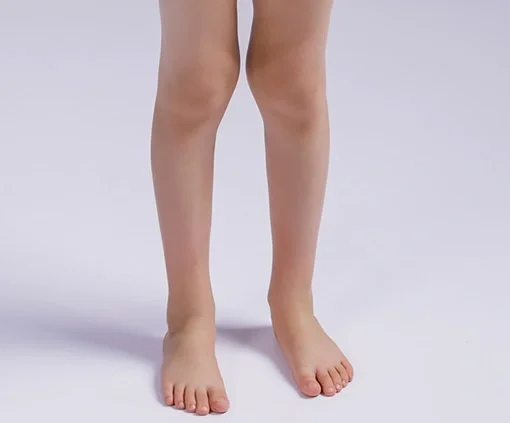
Deformity Correction is an orthopaedic treatment designed to correct abnormal alignment or shape of a bone, joint, or limb. Deformities may develop due to birth-related conditions, previous fractures, injuries, arthritis, growth abnormalities, infections, or other orthopaedic conditions.
Depending on the type and severity of the deformity, treatment may involve physiotherapy, braces, activity modification, corrective procedures, or surgery.
The primary goal is to improve alignment, reduce pain, restore function, and help the affected limb or joint work more effectively.
What Causes Orthopaedic Deformities?
Deformities can develop due to several causes, including:
- Congenital or developmental conditions
- Improperly healed fractures
- Previous trauma or injury
- Osteoarthritis and joint degeneration
- Growth abnormalities
- Bone or joint infections
- Previous orthopaedic surgery
- Ligament or muscle imbalance
- Progressive joint deformity
- Unequal limb alignment or length
Common Types of Deformities
Depending on the affected area, deformity correction may be considered for:
Knee Deformities
- Bow legs or genu varum
- Knock knees or genu valgum
- Knee alignment problems
- Post-traumatic deformity
- Severe arthritis-related deformity
Limb Deformities
- Abnormal limb alignment
- Limb length discrepancy
- Angular deformities
- Rotational deformities
- Deformities following fractures
Foot and Ankle Deformities
- Abnormal foot alignment
- Post-traumatic deformities
- Certain structural foot abnormalities
- Ankle alignment problems
Other Orthopaedic Deformities
Deformities involving other bones and joints may also require specialist assessment depending on the underlying condition.
Symptoms of Orthopaedic Deformity
Patients may experience:
- Visible abnormal alignment
- Pain in the affected joint or limb
- Difficulty walking
- Limping
- Joint stiffness
- Reduced range of motion
- Uneven weight distribution
- Muscle fatigue
- Difficulty performing daily activities
- Progressive worsening of the deformity
Some deformities may initially cause little or no pain but can gradually affect joint function and mobility.
How is Deformity Diagnosed?
A detailed assessment is important before planning treatment.
Physical Examination : The orthopaedic specialist evaluates limb alignment, joint movement, muscle strength, walking pattern, and functional limitations.
X-rays : X-rays help assess bone alignment, joint condition, previous fractures, and the severity of the deformity.
Long-Leg or Alignment X-rays : For certain lower-limb deformities, specialised standing X-rays may be used to assess overall limb alignment.
CT or Other Imaging : Advanced imaging may be recommended in selected cases to understand complex bone anatomy, rotational deformity, or joint damage.
Get Expert Deformity Correction in Mumbai
Living with abnormal limb alignment, bow legs, knock knees, limb length differences, or deformity after an injury? Consult an experienced orthopaedic surgeon in Mumbai for accurate assessment and a personalised deformity correction treatment plan.
Deformity Correction Treatment Options
Treatment depends on the cause, location, severity, age, symptoms, and overall health of the patient.
Non-Surgical Treatment
Mild or manageable deformities may sometimes be treated with:
- Physiotherapy
- Strengthening exercises
- Activity modification
- Bracing or orthotic support
- Pain management
- Weight management when appropriate
- Regular monitoring
Surgical Deformity Correction
When a deformity significantly affects movement, causes pain, or progresses despite conservative treatment, corrective surgery may be considered.
Depending on the condition, surgery may involve:
- Corrective osteotomy
- Bone realignment
- Internal fixation
- External fixation in selected cases
- Limb length correction
- Joint replacement when significant joint damage is present
What is Corrective Osteotomy?
A corrective osteotomy is a surgical procedure in which a bone is carefully cut and realigned to correct an abnormal angle or alignment.
The corrected bone may then be stabilised using appropriate fixation devices to allow proper healing.
Osteotomy may be considered for selected deformities of the knee, hip, leg, or other areas.
What Happens During Deformity Correction Surgery?
The surgical approach depends on the type of deformity.
Generally, the procedure may involve:
- Detailed preoperative assessment and imaging
- Careful measurement of bone and limb alignment
- Planning the required correction
- Surgical correction of the abnormal bone or joint alignment
- Stabilisation using appropriate fixation when required
- Assessment of the corrected alignment
- Closure and postoperative monitoring
Advanced planning is particularly important in complex deformity correction procedures.
Recovery After Deformity Correction
Recovery depends on the type of deformity, surgical technique, bone healing, and the patient’s overall health.
Postoperative care may include:
- Pain management
- Wound care
- Physiotherapy
- Gradual movement and strengthening
- Weight-bearing restrictions when required
- Use of walking aids during early recovery
- Follow-up imaging
- Monitoring of bone healing
Patients should follow their surgeon’s instructions regarding activity and weight-bearing during recovery.
Rehabilitation After Deformity Correction
Physiotherapy may help patients:
- Restore joint movement
- Improve muscle strength
- Improve balance and coordination
- Develop a better walking pattern
- Gradually return to daily activities
- Improve overall limb function
The rehabilitation programme is personalised according to the procedure and individual recovery.
Benefits of Deformity Correction
Depending on the underlying condition, treatment may help:
- Improve limb and joint alignment
- Reduce pain
- Improve walking ability
- Restore functional movement
- Improve joint stability
- Reduce abnormal stress on joints
- Improve daily activity performance
- Address progressive deformity
Treatment outcomes vary depending on the cause and severity of the deformity and the patient’s overall condition.
Who May Benefit from Deformity Correction?
Deformity correction may be considered for patients with:
- Significant limb or joint malalignment
- Pain associated with abnormal alignment
- Deformity following a fracture
- Progressive joint deformity
- Functional difficulty while walking or performing daily activities
- Limb length or angular abnormalities
- Deformities that affect joint function
A detailed orthopaedic evaluation is necessary before deciding on the appropriate treatment.
Why Consult an Orthopaedic Specialist?
Deformity correction requires accurate assessment of bone and joint alignment and careful treatment planning. An orthopaedic specialist can evaluate the underlying cause, assess the severity of the deformity, and recommend appropriate surgical or non-surgical treatment options.
If an orthopaedic deformity is affecting your movement, comfort, or daily activities, seek a specialist evaluation to understand the available treatment options.
Experiencing pain, abnormal alignment, or difficulty walking? Schedule an orthopaedic consultation for a detailed evaluation and personalised treatment plan.
Hear From Our Happy Patients
Read genuine patient experiences and feedback about Dr. Dhruva Angachekar’s compassionate care, orthopedic expertise, and commitment to patient recovery.
EXCELLENT Based on 2 reviews
 Posted on Google
 Prabhash SinghDr Dhruva Angachekar recommended for best orthopedic and sports injury surgeon in Mumbai.Posted on Google
 Antesh AnandHighly recommended orthopedic and sports injury surgeon in Mumbai
Frequently Asked Questions
Treatment depends on the type, severity, location, cause, and duration of the deformity. Some deformities can be managed conservatively, while others may require corrective surgery.
Recovery varies according to the type of deformity and treatment performed. Bone healing and rehabilitation may take several weeks to months.
In selected cases, deformities resulting from improperly healed fractures can be corrected through specialised orthopaedic procedures.
Consult an orthopaedic specialist if you notice persistent pain, abnormal limb alignment, difficulty walking, progressive deformity, or reduced joint function.
Book An Appointment

Specialized orthopedic care for joint replacement, sports injuries, arthroscopy, and deformity correction.
OUR TREATMENT
Copyright © 2026 Dr. Dhruva Angachekar. Designed by