
Archives
Categories
ACL Reconstruction
Advanced surgical treatment to restore knee stability after a torn anterior cruciate ligament and help patients return to normal activities and sports.

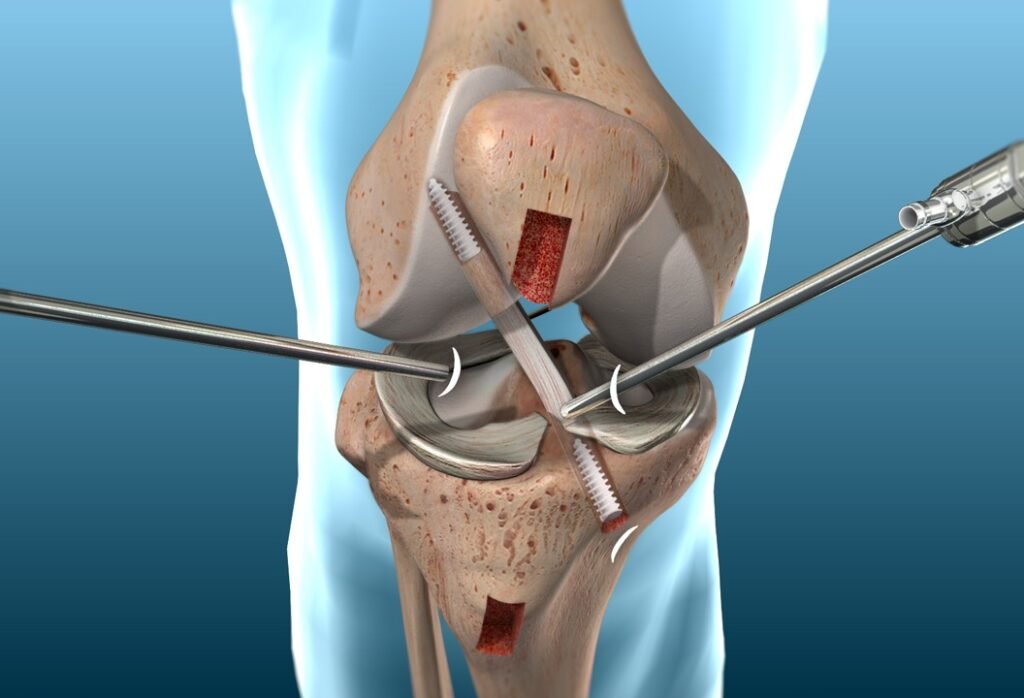
What is ACL Reconstruction?
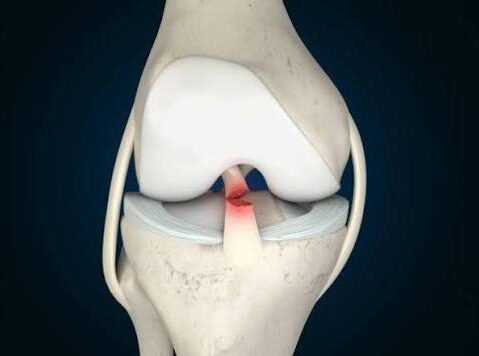
ACL Reconstruction is a surgical procedure used to treat a torn anterior cruciate ligament (ACL) in the knee. The ACL is one of the major ligaments responsible for stabilising the knee and controlling forward movement and rotation of the shinbone.
A complete ACL tear, particularly in an active individual, can cause knee instability, difficulty with sports or physical activities, and an increased risk of additional knee injuries.
During ACL reconstruction, the damaged ligament is replaced with a suitable tendon graft to help restore knee stability and function.
What Causes an ACL Tear?
ACL injuries commonly occur when the knee is suddenly forced beyond its normal range of movement.
Common causes include:
- Sudden change in direction
- Pivoting or twisting of the knee
- Sudden stopping while running
- Awkward landing after a jump
- Sports-related injuries
- Direct impact to the knee
- Motor vehicle or other traumatic injuries
ACL injuries are commonly seen in sports such as football, cricket, basketball, badminton, skiing, and other activities involving rapid changes in direction.
Common Symptoms of an ACL Injury
Patients may experience:
- A popping sensation at the time of injury
- Sudden knee pain
- Rapid swelling
- Difficulty putting weight on the affected leg
- Reduced knee movement
- Knee instability or a feeling of giving way
- Difficulty running, jumping, or changing direction
- Persistent instability during daily activities or sports
Not every ACL injury requires surgery. Treatment depends on the extent of the injury, symptoms, activity level, associated injuries, and individual goals.
When is ACL Reconstruction Recommended?
ACL reconstruction may be considered when:
- The ACL is completely torn
- The knee remains unstable despite rehabilitation
- The patient wants to return to pivoting or high-demand sports
- There are associated meniscus or ligament injuries
- Repeated instability is affecting daily activities
- The injury is contributing to recurrent knee problems
The decision for surgery should be made after a detailed orthopaedic assessment.
When is ACL Reconstruction Recommended?
ACL reconstruction may be considered when:
- The ACL is completely torn
- The knee remains unstable despite rehabilitation
- The patient wants to return to pivoting or high-demand sports
- There are associated meniscus or ligament injuries
- Repeated instability is affecting daily activities
- The injury is contributing to recurrent knee problems
The decision for surgery should be made after a detailed orthopaedic assessment.
Get Back to an Active Life After ACL Injury
A torn ACL can affect knee stability, movement, and your ability to stay active. Consult Dr. Dhruva Angachekar, an experienced orthopaedic surgeon in Mumbai, for a detailed assessment and personalised guidance on ACL reconstruction and rehabilitation.
How is an ACL Tear Diagnosed?
- Physical Examination : The doctor evaluates knee stability, range of motion, swelling, and signs of ligament injury using specific clinical tests.
- X-rays : X-rays help rule out fractures and assess the overall condition of the knee.
- MRI Scan : An MRI provides detailed images of the ACL and can identify associated injuries involving the meniscus, cartilage, or other knee ligaments.
How is ACL Reconstruction Performed?
ACL reconstruction is commonly performed using minimally invasive arthroscopic surgery.
The procedure generally involves:
- Arthroscopic examination of the knee through small incisions.
- Assessment of associated injuries, such as meniscus or cartilage damage.
- Preparation of the damaged ACL area.
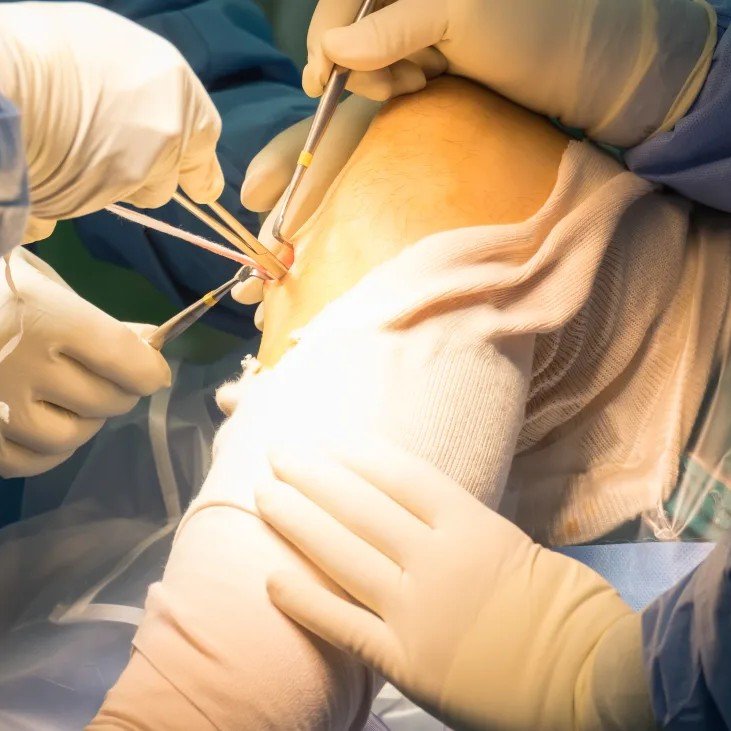
- Harvesting or preparation of a suitable tendon graft.
- Creation of carefully positioned bone tunnels.
- Placement of the graft in the position of the original ACL.
- Fixation of the graft using appropriate fixation devices.
- Final assessment of knee stability and movement.
The exact surgical technique and graft choice depend on the patient’s age, activity level, injury pattern, anatomy, and surgeon’s assessment.
Types of Grafts Used for ACL Reconstruction
Different tendon graft options may be considered, including:
- Patellar tendon graft
- Hamstring tendon graft
- Quadriceps tendon graft
- Allograft, in selected cases
The most appropriate graft is determined based on individual patient factors and treatment requirements.
Recovery After ACL Reconstruction
Recovery is a gradual process and varies between individuals.
Early recovery may include:
- Pain and swelling management
- Controlled knee movement
- Walking with appropriate support
- Early muscle activation
- Physiotherapy
- Gradual weight-bearing as advised
A structured rehabilitation programme is essential for restoring knee strength and function.
ACL Rehabilitation
Rehabilitation is one of the most important parts of ACL recovery.
It may progress through several stages:
- Early Phase : Focuses on reducing swelling, restoring knee movement, and activating the quadriceps muscles.
- Strengthening Phase : Exercises gradually improve the strength of the thigh, hamstring, hip, and core muscles.
- Functional Training : Balance, coordination, movement control, and functional exercises are introduced progressively.
- Return-to-Sport : Phase For athletes, sport-specific exercises, agility training, jumping, and controlled change-of- direction activities may be introduced when appropriate.
Return to sports should be based on functional recovery and medical assessment rather than time alone.
Benefits of ACL Reconstruction
Depending on the individual condition, ACL reconstruction may help:
- Restore knee stability
- Reduce episodes of giving way
- Improve confidence during movement
- Support return to sports and physical activities
- Improve knee function
- Address instability associated with a complete ACL tear
- Help protect the knee from further instability-related injuries
Successful recovery depends on appropriate surgical care, rehabilitation, adherence to postoperative instructions, and individual healing.
Risks and Considerations
As with any surgical procedure, ACL reconstruction may involve potential risks such as:
- Infection
- Bleeding
- Blood clots
- Knee stiffness
- Persistent pain
- Graft failure or re-injury
- Reduced range of motion
- Continued instability
- Additional procedures in selected cases
Your orthopaedic surgeon will discuss the potential benefits, risks, and expected recovery before surgery.
Who May Need ACL Reconstruction?
ACL reconstruction may be considered for patients with:
- Complete ACL tears
- Persistent knee instability
- Recurrent giving-way episodes
- High physical or sporting demands
- Associated meniscus or ligament injuries
- Instability that does not improve adequately with rehabilitation
Some patients with ACL injuries may be successfully managed without surgery, depending on their symptoms and activity requirements.
Hear From Our Happy Patients
Read genuine patient experiences and feedback about Dr. Dhruva Angachekar’s compassionate care, orthopedic expertise, and commitment to patient recovery.
EXCELLENT Based on 2 reviews
 Posted on Google
 Prabhash SinghDr Dhruva Angachekar recommended for best orthopedic and sports injury surgeon in Mumbai.Posted on Google
 Antesh AnandHighly recommended orthopedic and sports injury surgeon in Mumbai
Frequently Asked Questions
The ACL has limited healing potential compared with some other tissues. Some patients can manage an ACL injury without reconstruction through structured rehabilitation, particularly when knee instability is limited and activity demands are lower.
Recovery varies between patients. Return to unrestricted sports can take several months and should be based on strength, stability, movement control, and functional testing rather than a fixed timeline.
Many patients begin walking soon after surgery with guidance from their surgeon and physiotherapist. The timing and need for support depend on the procedure and any associated injuries.
Yes. A structured rehabilitation programme is an essential part of recovery and helps restore knee movement, strength, balance, and functional stability.
Many patients can return to sports after appropriate rehabilitation. Return should be gradual and based on clinical and functional recovery.
Yes. Re-injury is possible. Appropriate rehabilitation, strength training, movement control, and a gradual return to sport can help support safe recovery.
Book An Appointment

Specialized orthopedic care for joint replacement, sports injuries, arthroscopy, and deformity correction.
OUR TREATMENT
Copyright © 2026 Dr. Dhruva Angachekar. Designed by