
Archives
Categories
Rotator Cuff Repair in Mumbai

Relieve Shoulder Pain. Restore Strength. Improve Shoulder Movement.
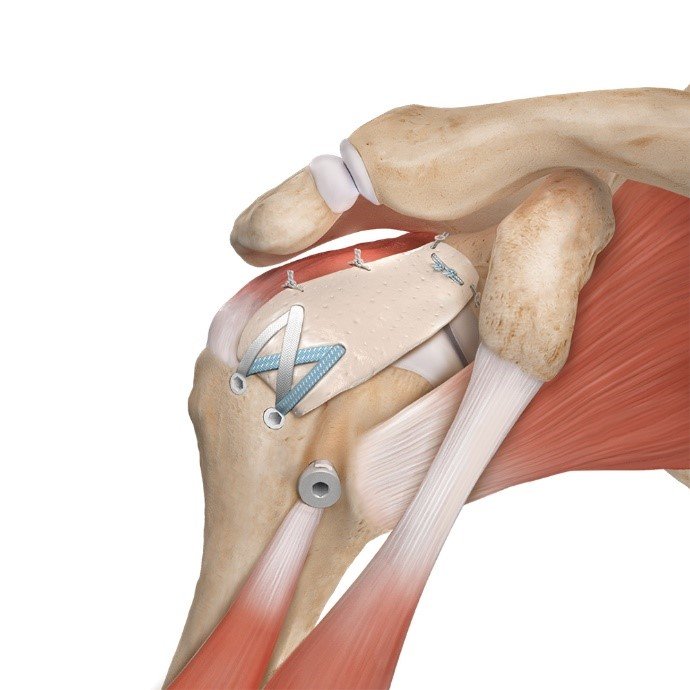
Rotator Cuff Repair is a surgical procedure used to repair a torn or damaged rotator cuff tendon in the shoulder. The rotator cuff is a group of muscles and tendons that helps stabilise the shoulder joint and allows movements such as lifting and rotating the arm.
A rotator cuff tear may develop due to an acute injury, repetitive overhead activity, age-related tendon degeneration, or a combination of these factors. Depending on the size and type of tear, symptoms, activity requirements, and response to non-surgical treatment, surgical repair may be considered.
What Is a Rotator Cuff?
The rotator cuff consists of four muscles and their associated tendons that surround the shoulder joint.
These structures help:
- Stabilise the shoulder joint
- Lift the arm
- Rotate the arm
- Perform reaching movements
- Support everyday shoulder function
A tear in one or more of these tendons can cause pain, weakness, and difficulty moving the arm.
What Is a Rotator Cuff Tear?
A rotator cuff tear occurs when one or more of the tendons becomes partially or completely torn.
Rotator cuff tears can be broadly classified as:
Partial Tear : The tendon is damaged but remains partially attached.
Full-Thickness Tear : The tear extends completely through the tendon.
The severity and location of the tear are important considerations when deciding on treatment.
What Causes Rotator Cuff Tears?
Rotator cuff injuries can occur for different reasons.
- Acute Injury : A sudden fall, lifting injury, or forceful shoulder movement can cause a rotator cuff tear.
- Repetitive Overhead Activities : Repeated overhead movements can place stress on the rotator cuff over time.
- Age-Related Degeneration : Tendons can become weaker and more susceptible to tearing with age.
- Sports Injuries : Activities involving repetitive throwing, serving, or overhead movements may increase stress on the shoulder.
- Occupational Stress : Certain occupations involving repeated lifting or overhead work may contribute to rotator cuff problems.
Symptoms of a Rotator Cuff Tear
Common symptoms may include:
- Shoulder pain
- Pain while lifting the arm
- Pain when reaching overhead
- Night-time shoulder pain
- Shoulder weakness
- Reduced range of movement
- Difficulty lifting objects
- Pain while reaching behind the back
- Difficulty performing routine activities
- A feeling of weakness in the affected arm
Symptoms can vary depending on the location and severity of the tear.
Get Expert Care for Rotator Cuff Tears
Persistent shoulder pain, weakness, or difficulty lifting your arm may be related to a rotator cuff tear. Consult Dr. Dhruva Angachekar, an experienced orthopaedic surgeon in Mumbai, for a detailed evaluation and personalised guidance on rotator cuff repair and other suitable treatment options.
When Is Rotator Cuff Repair Recommended?
Not every rotator cuff tear requires surgery.
Treatment depends on factors such as the size and location of the tear, symptoms, functional limitations, age, activity requirements, and response to non-surgical treatment.
Surgery may be considered in selected patients with:
- Persistent shoulder pain
- Significant weakness
- Full-thickness rotator cuff tears
- Acute traumatic tears
- Symptoms that continue despite appropriate non-surgical treatment
- Difficulty performing work, sports, or everyday activities
- Tears associated with significant functional limitations
A detailed orthopaedic assessment is essential before deciding whether surgery is appropriate.
Diagnosis of Rotator Cuff Tears
The diagnosis may involve several steps.
- Clinical Examination : The doctor assesses shoulder movement, strength, tenderness, and specific shoulder functions.
- X-Ray : X-rays can help identify bone-related changes and other conditions affecting the shoulder.
- Ultrasound : Ultrasound can help assess the rotator cuff tendons and identify certain tears.
- MRI : MRI provides detailed images of the shoulder’s soft tissues and can help evaluate the size, location, and extent of a rotator cuff tear.
The appropriate investigations depend on the individual patient’s condition.
How Is Rotator Cuff Repair Performed?
Rotator cuff repair may be performed using minimally invasive arthroscopic surgery in appropriate cases.
- Pre-Surgical Evaluation : The patient’s symptoms, shoulder function, medical history, and imaging are reviewed.
- Arthroscopic Assessment : Small incisions may be used to introduce a camera into the shoulder joint and assess the damaged structures.
- Identification of the Tear : The surgeon evaluates the location and extent of the rotator cuff damage.
- Preparation of the Tendon and Bone : The damaged area is prepared to facilitate repair.
- Tendon Repair : Specialised sutures and anchors may be used to reattach the torn tendon to its appropriate attachment site on the bone.
- Assessment : The repaired tendon and shoulder structures are assessed before completing the procedure.
- Post-Operative Care : The patient receives instructions regarding shoulder protection, movement, physiotherapy, and rehabilitation.
What Is Arthroscopic Rotator Cuff Repair?
Arthroscopic rotator cuff repair is a minimally invasive surgical technique in which a small camera and specialised instruments are introduced through small incisions around the shoulder.
It allows the surgeon to visualise the joint and repair the damaged tendon while also assessing other structures within the shoulder.
The specific surgical technique depends on the patient’s tear and other clinical findings.
Recovery After Rotator Cuff Repair
Recovery following rotator cuff repair is gradual because the repaired tendon needs time to heal.
The rehabilitation programme generally progresses through different stages.
- Initial Protection : The repaired shoulder may need protection during the early healing period. A sling may be recommended according to the surgeon’s instructions.
- Controlled Movement : Specific movements may be introduced progressively under professional guidance.
- Physiotherapy : Physiotherapy can help restore shoulder mobility and gradually improve strength.
- Strengthening : Strengthening exercises are introduced at an appropriate stage of healing.
- Functional Recovery : Patients gradually work towards returning to everyday activities and, where appropriate, sports or work-related activities.
The recovery timeline varies depending on the size and type of tear, surgical repair, individual healing, and rehabilitation.
Rehabilitation After Rotator Cuff Repair
A structured rehabilitation programme is an important part of recovery.
It may include:
- Shoulder mobility exercises
- Range-of-motion exercises
- Gradual muscle strengthening
- Scapular stabilisation exercises
- Functional training
- Activity-specific rehabilitation
Patients should follow the rehabilitation programme provided by their treating team and avoid activities that have not yet been cleared.
Benefits of Rotator Cuff Repair
For appropriately selected patients, surgical repair may help with:
- Reduction in shoulder pain
- Improved shoulder function
- Improved strength
- Improved range of movement
- Better ability to perform everyday activities
- Improved functional recovery
Individual outcomes depend on factors such as the size and chronicity of the tear, tendon quality, associated shoulder conditions, overall health, and rehabilitation.
Is Rotator Cuff Repair Right for Everyone?
No.
Some rotator cuff tears can be managed without surgery.
Treatment decisions may depend on:
- Type of tear
- Size of tear
- Severity of symptoms
- Duration of symptoms
- Shoulder strength
- Functional limitations
- Age and activity requirements
- Response to non-surgical treatment
- Overall health
- Associated shoulder conditions
A consultation with an orthopaedic surgeon can help determine the most appropriate treatment approach.
Non-Surgical Treatment Options
Depending on the tear and symptoms, non-surgical management may include:
- Activity modification
- Physiotherapy
- Shoulder-strengthening exercises
- Range-of-motion exercises
- Pain-management strategies
- Medication as advised by the doctor
- Other treatments based on the patient's condition
Not every rotator cuff tear requires surgical repair.
Hear From Our Happy Patients
Read genuine patient experiences and feedback about Dr. Dhruva Angachekar’s compassionate care, orthopedic expertise, and commitment to patient recovery.
EXCELLENT Based on 2 reviews
 Posted on Google
 Prabhash SinghDr Dhruva Angachekar recommended for best orthopedic and sports injury surgeon in Mumbai.Posted on Google
 Antesh AnandHighly recommended orthopedic and sports injury surgeon in Mumbai
Frequently Asked Questions
Rotator cuff repair is a surgical procedure used to repair a torn rotator cuff tendon and restore its attachment to the bone where appropriate.
No. Some tears can be managed with non-surgical treatment. Surgery is considered based on the type of tear, symptoms, functional limitations, and individual circumstances.
Many rotator cuff repairs can be performed using arthroscopic techniques. The appropriate surgical approach depends on the individual case.
Yes, rehabilitation is generally an important component of recovery after rotator cuff repair. The timing and exercises are determined by the treating surgeon and rehabilitation team.
The course varies depending on the type and severity of the tear. Some tears remain stable, while others may progress or continue to cause pain and weakness. An orthopaedic evaluation can help determine the appropriate approach.
Book An Appointment

Specialized orthopedic care for joint replacement, sports injuries, arthroscopy, and deformity correction.
OUR TREATMENT
Copyright © 2026 Dr. Dhruva Angachekar. Designed by