
Archives
Categories
Total Knee Replacement

Restore Knee Function. Reduce Pain. Get Back to Everyday Movement.
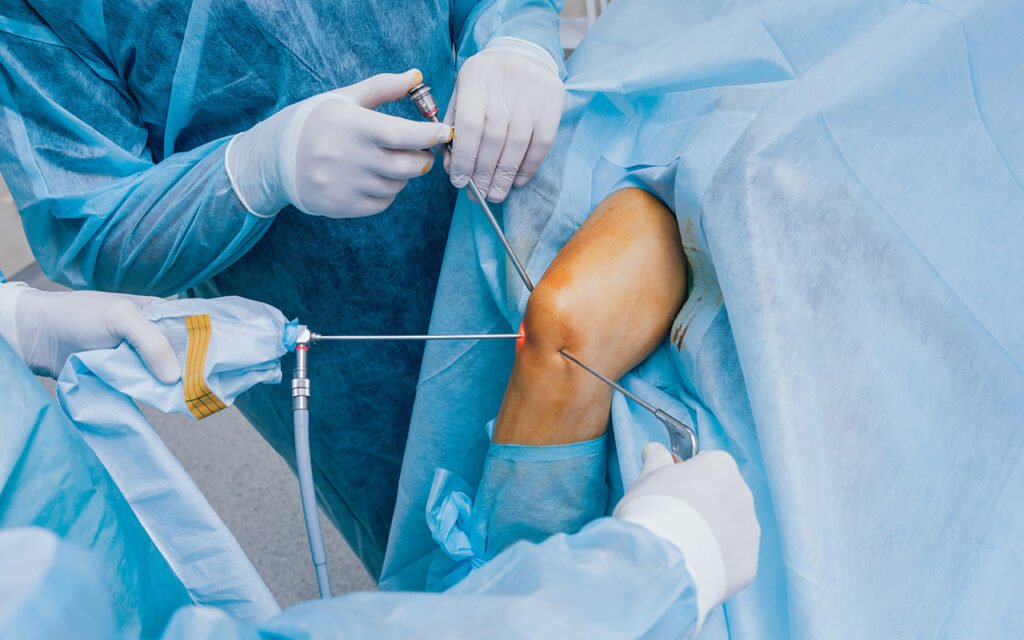
Total Knee Replacement, also known as Total Knee Arthroplasty, is a surgical procedure used to treat severe damage or degeneration of the knee joint. During the procedure, damaged portions of the knee joint are removed and replaced with artificial components designed to restore joint function.
For patients whose knee pain, stiffness, and limited mobility significantly affect daily life and have not improved adequately with non-surgical treatment, knee replacement may be considered after a detailed orthopaedic evaluation.
What Is Total Knee Replacement?
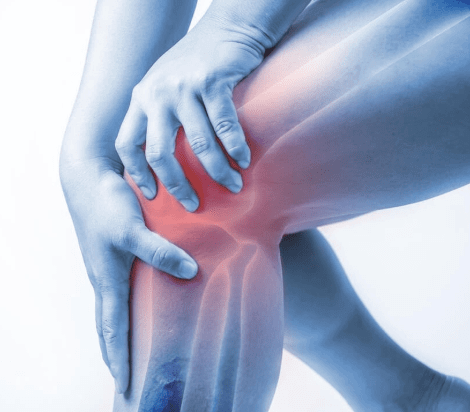
The knee is a complex joint formed by the lower end of the thigh bone (femur), upper end of the shin bone (tibia), and kneecap (patella). Smooth cartilage normally allows these structures to move against each other with minimal friction. Conditions such as advanced osteoarthritis can progressively damage this cartilage. As the joint becomes damaged, patients may experience pain, stiffness, swelling, difficulty walking, and reduced knee movement. During total knee replacement, the damaged surfaces of the knee are surgically replaced with prosthetic components. The objective is to reduce pain and improve the function of the knee.
When Is Knee Replacement Needed?
Not every patient with knee pain requires knee replacement. The decision depends on the severity of the condition, symptoms, examination findings, imaging, response to previous treatment, and overall health.
Knee replacement may be considered when a patient has:
- Persistent or severe knee pain
- Advanced knee osteoarthritis
- Significant joint damage
- Difficulty walking or standing
- Pain while climbing stairs
- Difficulty performing routine activities
- Significant knee stiffness
- Reduced range of knee movement
- Knee deformity associated with advanced arthritis
- Symptoms that continue despite appropriate non-surgical treatmen
A detailed consultation is important before deciding whether surgery is appropriate.
Common Conditions Leading to Knee Replacement
Osteoarthritis: Osteoarthritis is one of the most common reasons for total knee replacement. Progressive cartilage deterioration can cause pain, stiffness, and reduced joint movement.
Rheumatoid Arthritis: Inflammatory arthritis can damage the knee joint and may eventually lead to significant pain and functional limitations.
Post-Traumatic Arthritis: Previous fractures or significant knee injuries can sometimes result in long-term joint damage and arthritis.
Severe Joint Degeneration: Advanced degeneration of the knee may cause persistent symptoms and interfere substantially
with everyday activities.
Symptoms That May Require an Orthopaedic Evaluation
You may consider consulting an orthopaedic surgeon if you experience:
- Persistent knee pain
- Pain during walking
- Difficulty getting up from a chair
- Difficulty climbing or descending stairs
- Knee stiffness after sitting or resting
- Swelling around the knee
- Reduced walking distance
- Difficulty performing everyday activities
- Knee pain that affects sleep or quality of life.
These symptoms can have several causes, so proper diagnosis is essential.
Get Expert Total Knee Replacement Care in Mumbai
Experiencing persistent knee pain, stiffness, or difficulty walking? Consult Dr. Dhruva Angachekar, an experienced orthopaedic surgeon in Mumbai, for a detailed evaluation and personalised guidance on total knee replacement and other suitable treatment options.
How Is Total Knee Replacement Performed?
Total knee replacement generally involves several important stages.
Pre-Surgical Evaluation : The doctor evaluates your symptoms, medical history, knee movement, physical condition, and available diagnostic imaging.
Surgical Planning : Based on the clinical and imaging assessment, the appropriate surgical approach and implant options are discussed.
Removal of Damaged Joint Surfaces : During surgery, damaged portions of the knee joint are carefully removed.
- Placement of Prosthetic Components : Artificial components are positioned to replace the damaged joint surfaces.
- Assessment of Knee Movement : The knee is assessed during the procedure to ensure appropriate movement and stability
- Post-Operative Care : After surgery, the patient receives medical monitoring and a rehabilitation plan designed around
recovery and mobility.
What Happens After Knee Replacement?
Recovery is an important part of knee replacement treatment.
Patients are generally encouraged to begin appropriate movement and rehabilitation as advised by their treating team. Physiotherapy can help improve:
- Knee movement
- Muscle strength
- Walking ability
- Balance
- Functional independence
The pace of recovery varies from patient to patient and depends on factors such as age, overall health, muscle strength, pre-existing conditions, and adherence to rehabilitation.
Rehabilitation After Total Knee Replacement
A structured rehabilitation programme can play an important role in recovery.
Depending on the individual case, rehabilitation may include:
- Early Movement : Guided movement of the knee may begin according to the treating team’s recommendations.
- Physiotherapy : Specific exercises can help improve strength, flexibility, and range of motion.
- Walking Training : Patients may initially require assistance and gradually progress according to their recovery.
- Strengthening Exercises : Exercises targeting the muscles around the knee and lower limb can support functional recovery.
- Gradual Return to Activities : Everyday activities are progressively resumed according to the patient’s recovery and medical advice.
Results vary between individuals, and recovery requires appropriate post-operative care and rehabilitation.
Benefits of Total Knee Replacement
For appropriately selected patients, total knee replacement can help with:
- Reduction in knee pain
- Improved mobility
- Improved ability to perform daily activities
- Better knee function
- Increased independence in routine activities
- Improvement in quality of life
Results vary between individuals, and recovery requires appropriate post-operative care and rehabilitation.
Is Total Knee Replacement Right for Everyone?
Knee replacement is not automatically recommended simply because a patient has knee arthritis. Doctors generally consider factors such as:
- Severity of joint damage
- Pain and functional limitations
- Response to non-surgical treatment
- Physical examination
- Imaging findings
- Overall health
- An orthopaedic consultation helps determine whether surgery or another treatment approach is appropriate.
- Activity requirements
- Patient expectations
An orthopaedic consultation helps determine whether surgery or another treatment approach is
appropriate.
Alternatives to Knee Replacement
Depending on the severity and cause of knee symptoms, treatment may include non-surgical options such as:
- Activity modification
- Weight management where appropriate
- Physiotherapy
- Strengthening exercises
- Assistive devices
- Other doctor-recommended treatments
- Pain-management strategies
The appropriate treatment depends on the individual diagnosis.
Hear From Our Happy Patients
Read genuine patient experiences and feedback about Dr. Dhruva Angachekar’s compassionate care, orthopedic expertise, and commitment to patient recovery.
EXCELLENT Based on 2 reviews
 Posted on Google
 Prabhash SinghDr Dhruva Angachekar recommended for best orthopedic and sports injury surgeon in Mumbai.Posted on Google
 Antesh AnandHighly recommended orthopedic and sports injury surgeon in Mumbai
Frequently Asked Questions
Total knee replacement is a surgical procedure in which damaged surfaces of the knee joint are
replaced with artificial components to improve joint function and relieve pain.
It may be considered when significant knee pain and functional limitations persist despite
appropriate non-surgical treatment and the knee has substantial damage.
Yes. Total knee replacement is a major orthopaedic surgical procedure and requires appropriate
pre-operative assessment, surgery, and post-operative rehabilitation.
Recovery varies between individuals. Mobility generally improves progressively with appropriate
rehabilitation, but the overall recovery timeline depends on individual health and other factors.
Rehabilitation and physiotherapy are commonly an important part of recovery. Your treating
team will recommend an appropriate programme based on your condition.
Book An Appointment

Specialized orthopedic care for joint replacement, sports injuries, arthroscopy, and deformity correction.
OUR TREATMENT
Copyright © 2026 Dr. Dhruva Angachekar. Designed by